A burglary can happen in minutes, but its effects often last much longer. Beyond stolen electronics or jewellery, victims face damaged doors, disrupted routines, insurance claims and the uncomfortable feeling that their private space has been violated. Effective home security therefore starts well before a camera records a stranger. It begins with making entry difficult, detecting suspicious activity early and ensuring that someone can respond when an alarm sounds.
No single device guarantees protection. A costly camera cannot compensate for a weak door, while a strong lock offers limited value if an accessible window is routinely left open. The best strategy combines physical resistance, clear visibility, reliable alerts and sensible everyday habits. Homeowners also need to consider whether they live in a detached house or apartment, the age of the property, local crime patterns, emergency exits and the privacy risks of internet-connected equipment.
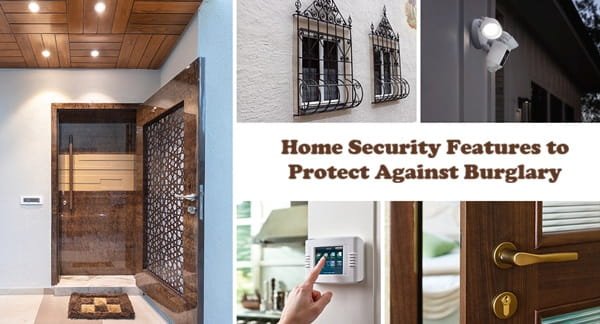
This guide explains what each feature actually does, where it is most useful, what to check before buying and the mistakes that undermine its effectiveness. The emphasis is on practical layers of protection, not flashy gadgets or promises of burglary-proof homes. Now let’s check out the top 10 home security features to protect against burglary.
Quick Comparison: Home Security Features
| Feature | Main benefit | Installation priority |
| Reinforced doors and locks | Resists forced entry | Essential |
| Secured windows | Closes common entry routes | Essential |
| Intruder alarm | Warns and prompts response | High |
| Outdoor lighting | Improves visibility | High |
| Security cameras | Records and verifies events | High |
| Video doorbell | Screens visitors and deliveries | Situational |
| Smart locks and access controls | Manages keys and codes | Situational |
| Monitored security service | Adds notification and escalation | Situational |
| Boundary protection | Defines and secures access | High where practical |
| Backup power and secure network | Keeps systems dependable | Essential for smart systems |
1. Reinforced Exterior Doors and Quality Locks
What it protects: The main entrance, back door and any door connecting an attached garage to living space.
A solid-core or appropriate certified security door with a correctly installed deadbolt is often a better first investment than electronics. Reinforce the strike plate and frame with suitable hardware: a lock is only as strong as the timber or metal holding it. Check hinges, glazing near the lock and gaps around the frame. For renters, ask the property owner before changing hardware.
Buying priority: Strength and professional fitting matter more than complicated locking features. Never add devices that could trap occupants during a fire.
2. Window Locks, Reinforced Glazing and Sliding-Door Security
What it protects: Ground-floor windows, balconies and concealed side entrances.
Use working window locks and appropriate stops on accessible openings. Laminated security glazing or professionally fitted security film may slow breakage, but film alone does not make glass unbreakable. Sliding doors may need suitable anti-lift devices and locking hardware; improvised bars can create emergency-exit problems.
Practical check: Walk around the home at ground level and identify openings hidden by fences, shrubs or outbuildings. Maintain safe escape routes from bedrooms.
3. Intruder Alarms With Door and Motion Sensors
What it does: Detects entry or movement and signals that a possible intrusion is underway.
A useful system combines perimeter contacts, appropriately placed motion sensors and a siren. Select equipment with tamper warnings, clear arming modes and a backup battery. Test sensors with pets, curtains and heating systems in mind to reduce false alarms. Confirm who actually receives an alert and what happens next.
Common mistake: Installing the alarm but never arming it, replacing batteries or updating contact details.
4. Motion-Activated Exterior Lighting
What it does: Improves visibility at doors, driveways, pathways and vulnerable access points.
Well-placed lighting can make suspicious activity easier to notice and safer for residents to investigate from indoors. Aim lights toward your property rather than neighbours’ windows or roads. Choose weather-rated fixtures and position sensors where vegetation and passing traffic will not constantly trigger them.
Best use: Combine lighting with clear sightlines; dark corners created by overgrown landscaping can undermine other measures.
5. Outdoor Security Cameras With Secure Recording
What it does: Helps verify alerts and provides possible evidence after an incident.
Position cameras to cover entrances and access routes rather than simply collecting wide, unusable footage. Check nighttime image quality, retention periods, secure storage and whether recording survives an internet outage. Review local privacy rules before filming public areas or neighbours’ property. A visible camera is not a substitute for locks.
Digital safety: The U.S. Federal Trade Commission recommends updated firmware, strong unique passwords, encryption and two-factor authentication for cloud accounts.
6. Video Doorbells and Two-Way Visitor Screening
What it does: Allows residents to identify a visitor without opening the door.
Video doorbells help with unexpected callers, deliveries and attempted package theft. Look for a usable field of view, reliable motion notifications, clear audio and battery or wired-power options. Be aware that a doorbell may not see someone approaching through a side gate or rear entrance. Adjust notification zones to avoid constant alerts.
Privacy point: Disable unnecessary microphone sharing and understand how long footage is stored or accessible to the service provider.
7. Smart Locks and Managed Access Codes
What it does: Provides controlled entry without distributing permanent physical keys to everyone.
Good systems allow temporary visitor codes, automatic locking and logs of entry events. Before purchasing, check physical key or emergency-power access, battery warnings and compatibility with the existing door. Remote unlocking creates convenience but also introduces account-security risks.
When useful: Homes with carers, short-term guests or frequent service visits. Delete old codes promptly and avoid predictable PINs.
8. Professional Monitoring and Emergency Escalation
What it does: Connects triggered alarms to a monitoring centre that can attempt verification and follow an agreed escalation plan.
Monitoring may help when residents are asleep or travelling, although response arrangements depend on the provider, local rules and emergency-service availability. Read the contract for monthly fees, cellular backup, cancellation terms, false-alarm charges and exactly when authorities may be contacted.
Important distinction: A monitored alarm does not guarantee police attendance or immediate intervention; ask for the actual protocol in your area.
9. Secured Gates, Fences and Visible Property Boundaries
What it does: Makes access routes predictable and reduces unnoticed movement into private areas.
Well-maintained gates, functional latches and boundary lighting can improve perimeter control. Keep bins and ladders away from locations where they could provide easy access to windows or balconies. Very tall solid fencing may create hiding places, so balance privacy with natural surveillance.
Best use: Protect vulnerable rear access without blocking authorised emergency entry or shared rights of way.
10. Backup Power and a Protected Home Network
What it does: Keeps connected devices useful during outages and reduces the risk of somebody accessing feeds or controls remotely.
Choose alarms and essential network equipment with appropriate battery or cellular backup where needed. Change default router passwords, apply software updates, use WPA2 or WPA3 Wi-Fi security and consider a separate network for cameras. Test whether sensors still operate when broadband or electricity is unavailable.
Maintenance: Review event logs, replace ageing batteries and confirm that every family member understands how to operate the system safely.
Which Home Security Improvements Should Come First?
Start with a walk-through of doors, windows, lighting and the route between the street and your entrances. Fix broken locks and weak frames first; add reliable window security and visibility second. Then select alarms and cameras according to the risks you actually face. For an apartment, shared-building access and balcony exposure may matter more than perimeter fencing. Document serial numbers and valuables for insurance, but do not advertise absences or travel plans publicly.
Conclusion
The strongest home-security plan uses several simple measures that support one another: sturdy barriers delay entry, lighting and sensors improve detection, and clear response arrangements limit confusion. Buy for your property’s vulnerabilities, maintain the equipment and keep escape routes safe. Security is most effective when the technology and everyday habits both work.