
The Purdue Pharma settlement officially took effect on May 1, 2026, ending the company’s long-running bankruptcy and activating a $7.4 billion agreement involving Purdue and members of the Sackler family. The settlement will provide money to state, local and tribal governments, individual victims and other organisations affected by the opioid crisis.
As part of the agreement, Purdue Pharma permanently ceased operations. Its pharmaceutical assets were transferred to a newly created company called Knoa Pharma, which is owned by an independent nonprofit organisation. The Sackler family no longer owns or controls the business.
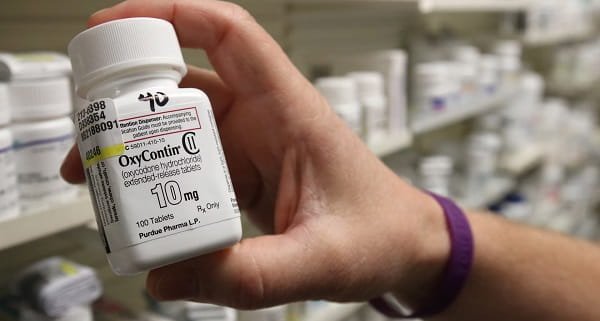
How Much Will the Sackler Family Pay?
Members of the Sackler family, Purdue’s former owners, are expected to contribute up to $6.5 billion over approximately 15 years. Purdue is contributing about $900 million from its remaining assets, bringing the settlement’s stated value to approximately $7.4 billion.
The first major payments were made when the agreement became effective. The Sacklers paid approximately $1.5 billion, while Purdue contributed about $900 million. Further Sackler payments are scheduled to include approximately $500 million in May 2027, another $500 million in May 2028 and $400 million in May 2029.
Most of the settlement money is expected to be distributed during the first three years, although some payments will continue over a longer period.
Who Will Receive the Settlement Money?
A large part of the Purdue Pharma settlement will go to states, cities, counties, tribal governments and other public organisations. These funds are generally intended for opioid-addiction treatment, overdose prevention, recovery services, public education and other programmes responding to the opioid crisis.
Nine creditor trusts have been established to distribute money among different groups of claimants. Individual victims and families are allocated up to approximately $865 million. Around $815 million was transferred to the personal-injury trust when the restructuring became effective.
Payments to individuals will depend on the type of approved claim and the evidence provided. Some qualifying claimants may receive up to approximately $16,000, although many payments may be lower.
Why the Earlier Settlement Was Rejected
Purdue filed for Chapter 11 bankruptcy protection in September 2019 after facing thousands of lawsuits over the marketing and sale of OxyContin and other opioid products.
A previous restructuring plan would have required the Sacklers to contribute several billion dollars. In return, family members would have received broad protection from opioid-related civil lawsuits, even though they had not personally filed for bankruptcy.
In June 2024, the U.S. Supreme Court rejected that plan. The Court ruled that the Bankruptcy Code did not authorise Purdue’s plan to impose non-consensual legal releases protecting the Sacklers from claims brought by people who had not agreed to release them.
The revised settlement uses consensual releases. Claimants may choose to accept settlement benefits and release their claims against participating Sackler family members. Those who do not accept the release may preserve their right to pursue separate legal action.
Court Approved the Revised Bankruptcy Plan
U.S. Bankruptcy Judge Sean H. Lane confirmed Purdue’s revised restructuring plan in November 2025 after a multi-day hearing involving testimony from 19 witnesses.
More than 99% of voting creditors supported the plan, along with the major organised creditor groups involved in the bankruptcy. The settlement was also joined by 55 attorneys general representing every eligible U.S. state and territory.
The plan became effective only after Purdue completed several remaining legal and financial requirements.
What Happened to Purdue Pharma?
Purdue Pharma no longer operates under its former structure or name. Knoa Pharma now controls the transferred pharmaceutical business.
Knoa is overseen by independent directors and trustees who were not connected with Purdue. Members of the Sackler family have no management role, ownership interest or financial involvement in the new company.
Knoa may continue manufacturing certain medicines, including opioid products, but it faces strict restrictions. The company cannot advertise or promote opioids and must operate under an independent monitor. Excess revenue, after permitted operating expenses, will support public-health and opioid-abatement purposes.
Separate Criminal Penalties Against Purdue
The bankruptcy settlement is separate from Purdue’s federal criminal case. On April 28, 2026, a federal judge sentenced the company following its 2020 guilty plea to charges involving misleading federal regulators and paying improper incentives connected with opioid prescriptions.
The court imposed a criminal fine of approximately $3.544 billion and $2 billion in forfeiture. However, the financial penalties are being handled in connection with the bankruptcy terms, and much of the forfeiture can be credited against value provided through the restructuring.
The Purdue Pharma settlement does not erase the effects of the opioid crisis or prevent every possible lawsuit against Sackler family members. However, it ends Purdue’s existing operations, removes the Sacklers from the pharmaceutical business and directs billions of dollars towards victims and communities affected by opioid addiction.