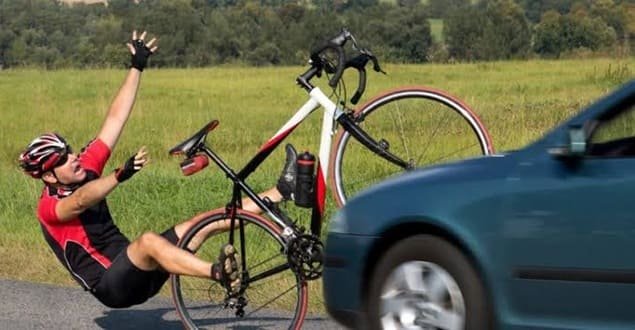
A bicycle crash is not simply a smaller version of a car accident. Riders can be injured during close passes, turning movements, door openings, intersection conflicts or collisions involving a poorly maintained roadway. A sound legal investigation may require attention to roadway geometry, bike-lane design, local traffic rules, helmet and bicycle damage, and photographs or GPS records that explain exactly where the cyclist was riding. Ohio law recognizes that a bicyclist need not stay at the extreme edge of a lane when doing so would be unsafe, and motorists passing a bicycle must give adequate clearance. The five individual attorneys below practice at different Ohio firms. Their published work ranges from bicycle-focused advocacy to documented cyclist injury litigation and broader trial experience. The choices are research-based options for a consultation, not a statewide certification or a guarantee of results.
How the attorneys were selected
Selection considered demonstrable representation of injured cyclists, bicycle-law knowledge or advocacy, published case involvement, trial background, and available current office information. The list includes two lawyers whose work is strongly centered on cycling and three who identify bicycle injuries within broader practices. Firm-reported settlements are identified as reported results and should not be treated as typical compensation. Names are alphabetical by surname. Current licensing and disciplinary questions require checking the Supreme Court of Ohio’s official records; neither firm advertising nor this shortlist certifies good standing.
| Attorney name | Current firm | Ohio office city | Documented cyclist injury work |
| David Herman | Johnson Law Group | Cleveland | Bicycle–vehicle collisions and serious personal injury |
| Ken Knabe | Knabe Law Firm | Lakewood | Bicycle injury litigation and cycling-law education |
| Scott M. Kuboff | Lowe Trial Lawyers | Cleveland | Cyclist and pedestrian injuries, trial litigation |
| Steven M. Magas | The Magas Firm | Cincinnati | Bicycle-law specialist practice and rider advocacy |
| Joseph G. Paulozzi | Paulozzi, Alkire & Condeni | Brooklyn Heights | Bicycle–car impacts and major traffic-injury claims |
1. David Herman
David Herman is senior counsel at Johnson Law Group and leads its Ohio office in Cleveland. The firm lists bicycle crashes among the accidents it handles and includes a reported $55,000 bicycle-versus-car result attributed to Herman. That is a specific firm-reported outcome, not a measure of what another injured cyclist should expect. His published biography also describes extensive automobile-negligence, medical malpractice and premises litigation. Those areas can intersect in a bicycle case when the central questions involve a driver’s lookout, intersection controls, causation of injuries and available insurance.
Before representing plaintiffs, Herman worked on matters for a major insurer, according to his biography. He also lists Ohio bar admission and membership in the American Board of Trial Advocates. A cyclist should ask how the firm approaches a driver’s allegation that the rider was improperly positioned or entered the intersection unexpectedly. The answer should address Ohio’s actual bicycle statutes, any intersection video, photographs of road markings and potential witness testimony. Clients can also inquire whether the firm will inspect the bicycle and equipment, what evidence would establish future earning losses, and whether counsel will handle a disputed liability case through trial.
Office: 1468 W. 9th Street, Suite 100, Cleveland, OH 44113. Telephone: 888-968-8504. Official website: johnsonlawgroup.com.
2. Ken Knabe
Ken Knabe is principal attorney at Knabe Law Firm in Lakewood and is closely identified with representation of injured cyclists in Northeast Ohio. The firm’s attorney page describes more than four decades of legal work and his service in organizations concerned with safer streets. He has served on the boards of the Ohio Bicycle Federation and Ohio to Erie Trail, contributed to Bike Cleveland’s legal information and participated in Vision Zero-related work. Those activities are relevant in a field where understanding how cyclists actually use roads can be important to analyzing disputed lane placement or unsafe passing.
Knabe wrote Cycling Rights, a book addressing bicycle law, and his professional profiles record former leadership of the Cleveland Academy of Trial Attorneys and Super Lawyers recognition. His cycling involvement does not itself prove how any lawsuit will be resolved, but it gives prospective clients specific topics to discuss. Ask whether the crash calls for roadway design evidence, reconstruction, testimony about a three-foot pass, or documentation of vehicle-door clearance. In a serious injury case, discuss how the firm develops the medical and economic damages evidence, who would handle depositions and court appearances, and how the fee agreement allocates expert costs.
Office: 14222 Madison Avenue, Lakewood, OH 44107. Telephone: 216-228-7200. Official website: klfohio.com.
3. Scott M. Kuboff
Scott M. Kuboff is a partner at Lowe Trial Lawyers. His current law-firm biography describes a practice involving serious injuries, products and wrongful death, with a particular interest in representing cyclists and pedestrians hurt on Ohio roads. An avid cyclist himself, he has presented on bicycle and pedestrian law to legal audiences and local riding clubs. The firm identifies bicycle safety advocacy as part of his professional work. This focus is useful when crash evidence must explain why a rider took a particular position in the road rather than assuming that riding near the curb is always required.
Kuboff graduated from Cleveland-Marshall College of Law in 2007 and his biography identifies his service as a past president of the Cleveland Academy of Trial Attorneys. Lowe Trial Lawyers reports Super Lawyers recognition through 2026. His broader injury practice matters when the crash caused neurological injury, complex fractures or a death, but the client should ask about personal experience with the same collision mechanism. Relevant questions include how GPS data, damaged bicycle components and road video will be preserved; whether the firm retains bicycle-specific reconstruction experts; and how it counters unsupported claims that a cyclist was outside the designated riding area.
Office: 5875 Landerbrook Drive, Suite 220, Cleveland, OH 44124. Telephone: 216-781-2600. Official website: lowetriallawyers.com.
4. Steven M. Magas
Steven M. Magas, known professionally as Steve Magas, founded The Magas Firm in 2009 and has long concentrated on representing injured bicyclists. A 2026 Ohio State Bar Association article identifies him as an Ohio trial lawyer with more than 450 bicycle cases over his career and states that cycling matters account for more than 85 percent of his practice. His own biography traces bicycle-law writing and advocacy to the 1980s and discusses collaboration with Ohio cycling organizations. For a rider facing allegations about lane placement or traffic rules, this subject-specific background gives a clear basis for a focused consultation.
Magas writes about the practical evidence in bicycle crashes, including GPS tracks, surveillance cameras, police recordings and intersection conditions. He also describes prior work on insurance defense cases, which can help frame questions about carrier arguments without proving an outcome in any new matter. His legal writing and presentations have addressed safe passing, bicycle positioning and state traffic rules. Clients should ask which evidence can still be preserved, how bicycle and e-bike law may differ, what independent experts will be used, and whether the firm can handle the case itself or will work with other trial counsel. The initial meeting should also clarify Ohio and any other state’s law if the crash occurred outside Ohio.
Office: 7850 Five Mile Road, Cincinnati, OH 45230. Telephone: 513-484-2453. Official website: ohiobikelawyer.com.
5. Joseph G. Paulozzi
Joseph G. Paulozzi represents injured individuals through Paulozzi, Alkire & Condeni, a firm handling car, motorcycle and truck crashes as well as premises injuries and wrongful death. His biography includes a reported result for a bicycle-versus-car collision involving traumatic brain injury. Although the firm’s results display is not a complete record of his personal trial work, the example establishes that bicycle injury cases fall within the practice’s published experience. Cyclists with head injuries, permanent impairments or prolonged rehabilitation may need the same type of medical and vocational evidence used in other major traffic cases.
Paulozzi’s public biography identifies membership in the Ohio Association for Justice and professional recognition by Super Lawyers. Those facts should be evaluated alongside questions about his individual cyclist case experience. A consultation might examine a driver’s failure to yield, a claim that the cyclist rode too far from the right side of the lane, or a dispute over whether road conditions required avoiding the edge. Ask how the firm would apply Ohio Revised Code 4511.55, whether video or witness evidence can be recovered and how any future cognitive or physical limitations would be documented. Also confirm which lawyer would control the file and trial preparation.
Office: 600 E. Granger Road, Suite 200, Brooklyn Heights, OH 44131. Telephone: 216-812-2100. Official website: law-ohio.com.
Choosing an attorney for the case
The most useful first meeting reconstructs the ride in detail. Bring the crash report, photographs of bicycle and vehicle damage, helmet and equipment, witness details, medical records, route maps, and relevant GPS or cycling-computer data. Preserve original files where possible. Ohio Revised Code 4511.27 says a passing motorist must leave a safe distance and treats three feet or more as a safe passing distance. Section 4511.55 requires bicyclists to ride as near the right as practicable but expressly permits riding away from the edge when conditions make it unsafe or impractical. A lawyer should apply those rules to the actual street layout and riding conditions; they do not settle every collision automatically. Discuss motorists’ insurance, possible underinsured-motorist benefits, local ordinances, comparative fault and available medical experts. Most bodily-injury actions are subject to Ohio’s general two-year statute, but particular facts may require a different analysis. Ask for a written explanation of fees, expenses and the trial plan.
Frequently asked questions
Q. Must a cyclist always ride at the far-right edge of an Ohio road?
No. Ohio Revised Code 4511.55 generally directs bicyclists to ride as near the right side as practicable, but it expressly recognizes exceptions when the edge is unsafe or impractical. Examples include surface hazards, parked vehicles, moving traffic and lanes too narrow for safe side-by-side travel. The proper position depends on the actual roadway conditions. A cyclist’s lawful lane position should be evaluated from the complete evidence, not from an assumption that every rider must hug the curb.
Q. What is Ohio’s minimum passing-distance rule for motorists?
Ohio Revised Code 4511.27 requires motorists overtaking bicycles to pass safely, and the statute treats at least three feet as a safe passing distance. A close-pass claim may still require proof of the vehicle’s movement, available clearance, causation and injury. Photographs, independent witnesses, video and road measurements can be significant. The motorist’s duty to pass safely does not eliminate the need to assess the whole collision.
Q. Can an injured cyclist seek payment through auto insurance?
Potentially. When a negligent motorist strikes a cyclist, the driver’s liability coverage may apply, subject to the policy and proof of fault. A cyclist’s own uninsured or underinsured motorist coverage may also be relevant in some circumstances. Other coverage and medical-payment issues depend on policy wording and Ohio law. The lawyer should review all potentially available policies and consider the effect of a release before a settlement is accepted.
Q. What if the cyclist had no helmet or the bicycle was damaged beyond repair?
The liability and damages questions require separate examination. An insurer may dispute whether particular injuries were affected by helmet use, but that does not automatically establish who caused the collision. Medical evidence is important. Property loss, including a damaged bicycle, can also be documented with photographs, purchase records, repair opinions and comparable replacement values. Counsel should assess the applicable equipment rules and evidence rather than assume a fixed outcome.