
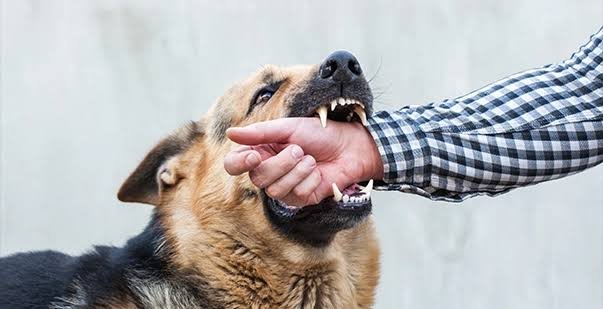
A dog attack may cause more than a puncture wound. Children and adults can face surgery, infection prevention, scarring, lost earnings and anxiety about returning to ordinary activities. Some injuries occur when a dog lunges or knocks someone down without a bite at all. Ohio Revised Code 955.28(B) allows certain claims against an owner, keeper or harborer for injury or loss caused by a dog, subject to specified exceptions. Identifying the legally responsible person can be more difficult than identifying the animal, especially when a dog lives with a renter or is under someone else’s control. Insurance coverage and accurate documentation of future care also matter. The following five lawyers practice at separate Ohio firms with identifiable dog-attack or plaintiff-injury work. They are a comparison starting point, not a promise about compensation or an official statewide ranking.
How the attorneys were selected
Selection emphasized express dog-bite or animal-injury practice information, experience representing injured individuals, the lawyer’s published professional background and verifiable firm contact details. The shortlist is alphabetical, not based on a numerical rating. Information was checked in November 2026 using firm and professional sources. Current registration, public disciplinary records and the lawyer expected to handle the case require independent confirmation before engagement.
| Attorney name | Current firm | Ohio office city | Relevant dog-attack injury work |
| Kevin W. Attkisson | The Attkisson Law Firm LLC | Dayton | Dog bites, personal injury and trial practice |
| Jacob J. Beausay | Beausay Law Firm | Columbus | Dog attacks, catastrophic injury and injury litigation |
| Blake R. Maislin | Law Offices of Blake R. Maislin LLC | Cincinnati | Dog-bite injuries and insurance claims |
| Paul G. Perantinides | Perantinides & Nolan Co., LPA | Akron | Serious personal injuries and animal-bite matters |
| John K. Rinehardt | Rinehardt Injury Attorneys | Ontario | Dog attacks, trial practice and catastrophic injuries |
1. Kevin W. Attkisson
Kevin W. Attkisson has represented injury plaintiffs in southwestern Ohio since he was admitted to practice in 1997. His professional biography lists dog bites among the cases he has handled, along with automobile, motorcycle and premises injuries. A biography published by another Dayton firm where he has been listed as of counsel describes nearly one hundred personal-injury jury trials. Those are broader trial experiences, not a count of dog-bite verdicts. His separate practice, The Attkisson Law Firm, is listed at a Kettering Boulevard address in Dayton and describes dog and animal injuries as part of its work.
The evidentiary issues in a dog attack are unusually specific. A lawyer must distinguish the animal’s owner from a person who kept or harbored it, identify the location of the attack and determine whether one of Ohio’s statutory exceptions is being asserted. Attkisson’s general injury-trial background offers a basis for discussing how medical photographs, scar evaluations and witness accounts would be presented if an insurer disputes the harm. Clients should clarify his present firm affiliation and personal involvement at the consultation, because more than one professional listing appears under his name.
Office: 3033 Kettering Boulevard, Suite 213, Dayton, OH 45439. Telephone: 937-276-9700. Official website: attkissonlawfirm.com.
2. Jacob J. Beausay
Jacob J. Beausay represents injured people in Columbus, including clients with animal-attack claims. His public attorney profile expressly includes animal and dog bites among his plaintiff personal-injury areas, together with automobile injuries, construction accidents and wrongful death. Ohio admission dates to 2009. Beausay’s background is relevant when an attack results in a serious wound, a complicated insurance dispute or a claim involving a child, where documenting the long-term appearance and function of an injured area may be particularly important.
His experience in other serious-injury cases should not be presented as proof of any particular dog-bite recovery. Instead, a prospective client can ask which medical specialties the firm would consult, how it evaluates the cost of future scar revision and whether the homeowner’s or renter’s insurance is likely to respond. It is also important to identify any limitation in coverage and the evidence establishing who controlled the dog. Firm names and online listings have varied, so the current engagement agreement should name the precise law office and the attorney responsible for the matter.
Office: 7650 Rivers Edge Drive, Suite 150, Columbus, OH 43235. Telephone: 614-529-3476. Official website: 614lawfirm.com.
3. Blake R. Maislin
Blake R. Maislin leads a Cincinnati injury practice that specifically advertises help with dog-bite claims. His firm represents injured people in the greater Cincinnati area and describes work involving automobile crashes, other injury accidents and insurance disputes. Public lawyer listings identify Ohio practice beginning in the late 1990s. A dog-injury case can be small in visible size but substantial in its consequences, particularly when the wound needs specialist care or leaves lasting disfigurement. Evaluating both liability and medical damages therefore requires more than showing that an attack took place.
Maislin’s focus on injury and insurance work provides a basis for discussing insurance information and how an adjuster evaluates photographs, treatment records and future expenses. Because his office is close to Kentucky and Indiana, clients should first establish where the incident occurred and which state’s law applies rather than assuming Ohio dog-liability rules govern every claim. They should also ask how the firm would investigate whether the dog had an owner, keeper or harborer who might be responsible and which of those people had applicable insurance coverage.
Office: 2260 Francis Lane, Cincinnati, OH 45206. Telephone: 513-444-4444. Official website: maislinlaw.com.
4. Paul G. Perantinides
Paul G. Perantinides is an Akron trial attorney whose long-standing work involves plaintiff personal injury and medical malpractice. His firm includes dog-bite and animal-attack claims within its injury practice, while public lawyer directories separately identify him with animal-bite representation. His professional profile records Ohio admission in 1969 and recognition by Best Lawyers in plaintiff personal-injury and medical malpractice categories, with additional Super Lawyers recognition continuing through 2026. Those distinctions support a picture of broad civil-trial experience but do not establish that he personally handled every animal-injury case advertised by the firm.
For a serious dog injury, trial experience may become relevant if the parties disagree over the permanency of scars, the circumstances of the attack or the law’s exceptions. Perantinides’s practice is a starting point for discussing medical experts, photographs taken over time and evidence of daily limitations. Anyone consulting the firm should ask whether Perantinides himself or another attorney will prepare the case, how claims against insurers are handled, and whether recovery may depend on liability limits or assets available beyond an insurance policy. Specific outcomes should be evaluated individually, not by comparison with unrelated malpractice verdicts.
Office: 80 South Summit Street, Suite 300, Akron, OH 44308. Telephone: 330-253-5454. Official website: perantinides.com.
5. John K. Rinehardt
John K. Rinehardt is a founding attorney at Rinehardt Injury Attorneys, a plaintiff-side practice with offices in north-central and central Ohio. He was admitted in Ohio in 1986 and graduated from the Ohio State University College of Law that year. His published professional biography describes a litigation-focused practice and extensive civil-trial experience, with examples of animal-injury representation. That background may be relevant to attacks involving lasting scars, multiple injuries or difficult questions about how a dog was controlled at the time of the incident.
The firm also handles other injury and wrongful-death cases, but an animal attack raises different liability questions from a car crash. A client should ask how Rinehardt would identify the legally responsible owner, keeper or harborer and what evidence would be necessary if the attack occurred on rental property. The firm’s documented case experience and national trial-advocacy credentials can help frame those questions, but there is no substitute for learning whether the lawyer assigned to the case has handled a similar injury and whether the medical evidence supports the claimed long-term consequences.
Office: 2404 Park Avenue West, Ontario, OH 44906-1233. Telephone: 419-529-2020. Official website: rinehardtlawfirm.com.
Choosing an attorney for the case
After obtaining appropriate medical care, retain photographs of the wounds at different stages, treatment records, bills, the location of the attack and the names of witnesses. Report an incident to the appropriate local authority where necessary and preserve any dog-identification or vaccination information available. Under Ohio Revised Code 955.28(B), an owner, keeper or harborer can face liability for injury caused by a dog, but the statute contains exceptions involving specified criminal conduct or teasing, tormenting or abusing the dog in defined circumstances. Identifying a landlord as the dog’s harborer is not automatic. Ask a lawyer which defendant the evidence actually supports and whether an insurance policy may respond. The family should discuss scarring and future treatment with medical providers rather than assume the initial emergency bill measures the full loss. Review the fee percentage, case expenses, responsibility for experts and any limits on settlement authority. A careful assessment should distinguish established facts from allegations about the dog’s past behavior.
Frequently asked questions
Q. Does Ohio require proof that a dog previously bit someone?
Not for every claim. Ohio Revised Code 955.28(B) generally makes an owner, keeper or harborer liable for covered injury or loss caused by the dog without requiring proof of an earlier attack, subject to the statute’s exceptions. A separate negligence theory may raise different proof questions. The facts remain important: counsel must establish the dog’s role in the injury, the correct responsible person, damages and whether an exception applies. The familiar “one free bite” phrase does not accurately describe the statutory cause of action.
Q. Can a landlord be liable when a tenant’s dog attacks someone?
Possibly, but ownership of the building alone does not automatically make the landlord the dog’s keeper or harborer. Ohio decisions examine whether the person sheltered, protected or exercised control over the dog in the relevant circumstances. A 2026 Supreme Court of Ohio decision addressed harborer status and rejected liability on a record that did not show such control. Lease terms, possession of the premises and the location of the incident can matter. A lawyer should review actual evidence before naming a property owner as a defendant.
Q. What if the dog caused a fall without biting the injured person?
Ohio’s dog-injury provision is broader than bite wounds: it refers to injury, death or loss caused by a dog. A person hurt while being knocked down or fleeing an attacking dog may have a potential claim depending on the causal facts and any statutory exception. Document the event carefully because the absence of a bite mark can make witness accounts, video and scene photographs especially significant. Medical records should explain the fall injury and why the person was treated.
Q. How are scars and future treatment considered in a dog-bite claim?
The claim may involve emergency care, infection prevention, reconstructive procedures, pain, emotional effects and lasting changes in appearance or function. A lawyer can obtain records and, where justified, medical opinions about probable future procedures. Not every scar requires surgery, and predicted expenses should have a medical basis. For children, the effect of growth on a wound may be relevant. Insurance coverage, the identity of the responsible person and litigation deadlines still affect what can practically be recovered.