
Yes, Bioma Probiotics appears to be a real commercial dietary-supplement brand, but U.S. consumers should understand several important limitations before buying. The company behind the brand, UAB Bioma Health, is a registered Lithuanian private company formed in November 2023. Its website sells probiotics and other wellness supplements to U.S. customers. That makes Bioma different from a fake storefront that takes payments and disappears. However, being a real company does not prove that every advertised health benefit will occur, and recurring-subscription terms have generated consumer complaints.
Is Bioma an FDA-Approved Probiotic?
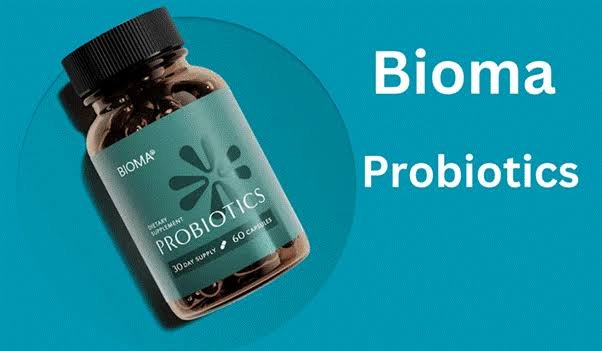
No. Bioma should not be described as “FDA approved.” In the United States, dietary supplements are generally not approved by the Food and Drug Administration before they are marketed.
Bioma says its products are manufactured in the United States in an FDA-registered, GMP-certified facility and that its ingredients are third-party tested. Those statements concern manufacturing and testing; they are not the same as FDA approval of the finished supplement or approval of its effectiveness.
FDA rules allow supplement companies to make certain structure-and-function claims, such as saying that an ingredient supports normal digestive function, if the company has substantiation and follows labeling requirements. Supplements cannot lawfully claim to diagnose, treat, cure, or prevent a disease unless they meet the requirements applicable to drugs.
What Is Actually in Bioma Probiotics?
Bioma’s current probiotic formula lists xylooligosaccharides, tributyrin, and a proprietary probiotic blend containing Bifidobacterium lactis, Bifidobacterium longum, and Bifidobacterium breve.
The brand promotes the product for gut support, nutrient absorption, immune function, and weight control. Those are marketing claims, not guarantees that every customer will experience weight loss or a specific medical benefit. Probiotic effects can vary by strain, dose, diet, health condition, and the individual using the product.
Consumers should be especially careful with statements that sound like treatment claims for conditions such as IBS. Bioma’s own website recommends consulting a physician in some circumstances, but medical conditions should not be treated solely with a supplement based on online advertising.
Why Are There Complaints About Subscriptions?
The biggest concern is not whether Bioma exists; it is how its subscription model works.
Bioma’s current help pages say discounted subscription plans can be cancelled through its self-service platform after the second charge is processed. A customer who wants to cancel before the second charge may be required to pay the difference between the discounted subscription price and the normal one-time purchase price.
Its U.S. refund policy also provides a relatively short 14-day return period for eligible purchases. Products generally must be unopened, in original packaging, and fit for resale, although faulty or incorrectly described products may qualify. Bioma says a $9 return-shipping fee is deducted from approved refunds.
These terms make it important to read the checkout screen carefully before paying, particularly when a lower price is tied to recurring shipments.
What Do Consumer Complaints Say?
Consumer-review sites contain both positive and negative experiences, but a recurring complaint involves customers saying they did not fully understand that they had entered a subscription or had difficulty obtaining refunds for later shipments.
The Better Business Bureau’s Scam Tracker has also published multiple consumer reports naming Bioma or Bioma Health and alleging unexpected recurring charges, cancellation difficulties, or refund disputes. These reports are allegations submitted by consumers, not findings by a court, the BBB, the FTC, or the FDA. They therefore should be treated as warning signals rather than proof that the company has committed fraud.
What U.S. Consumer Law Applies?
Online subscription sellers serving U.S. consumers are subject to federal consumer-protection law. The Restore Online Shoppers’ Confidence Act requires sellers using negative-option or recurring-payment features to clearly disclose material terms, obtain express informed consent before charging customers, and provide a simple way to stop recurring charges.
The Federal Trade Commission has continued enforcing those requirements in 2026 against companies accused of hiding subscription terms or making cancellation unnecessarily difficult. That does not mean the FTC has found Bioma in violation. It means U.S. buyers have legal protections if recurring charges were not properly disclosed or authorized.
Consumers who believe a card was charged without authorization can also contact the card issuer promptly and preserve screenshots, order confirmations, cancellation requests, and emails.
The Bottom Line
Bioma Probiotics appears to be a legitimate operating supplement business, and the company behind it can be identified through public corporate records. But “legit” should not be confused with “FDA approved,” clinically proven to work for everyone, or free from consumer-service concerns.
The strongest caution is the subscription structure. Before ordering, check whether the price shown is for a one-time purchase or a recurring plan, read the early-cancellation condition, and note the 14-day U.S. return window.
For consumers mainly interested in gut health rather than the Bioma brand itself, it is also reasonable to compare the exact probiotic strains, dose, price, and evidence with other products before committing to a multi-month subscription.