
No, recreational weed is not legal in Indiana. Possessing, growing, selling or delivering marijuana can lead to criminal charges, even when the amount is small and the person is aged 21 or older.
Indiana also does not operate a comprehensive medical-marijuana programme. Some properly labelled low-THC hemp and CBD products are permitted under separate laws, but those rules do not legalise ordinary marijuana.
As of July 29, 2026, proposed bills to legalise or decriminalise cannabis have not become law.
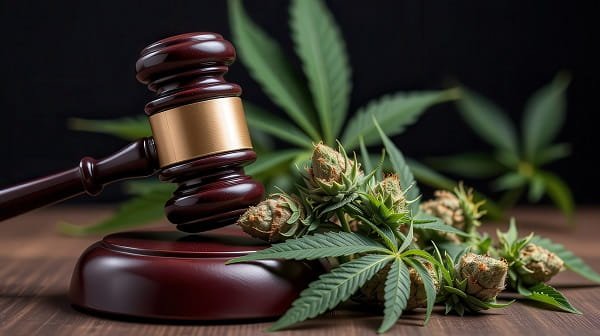
Is Recreational Marijuana Legal in Indiana?
Indiana has not legalised marijuana for recreational use. There are no state-licensed recreational dispensaries, and adults do not receive a legal possession allowance simply because they are over 21.
Marijuana purchased legally in Illinois, Michigan or another state becomes illegal when brought into Indiana. The fact that the purchase was lawful elsewhere does not provide a defence against Indiana’s possession law.
A person may also face federal issues by transporting marijuana across a state border.
What Is the Penalty for Marijuana Possession?
Under Indiana Code Section 35-48-4-11, knowingly or intentionally possessing marijuana is generally a Class B misdemeanor. The same law also covers knowingly growing marijuana or allowing marijuana plants to remain on property under a person’s control.
A Class B misdemeanor can carry:
- Up to 180 days in jail
- A fine of up to $1,000
- Court costs and other conditions imposed by the judge
These are maximum penalties. The actual outcome may depend on the amount involved, the person’s criminal history, the county, the evidence and whether a diversion programme is available.
A previous drug conviction can increase possession to a Class A misdemeanor, punishable by up to one year in jail and a fine of up to $5,000.
Possession can become a Level 6 felony when the person has a prior drug conviction and possesses at least 30 grams of marijuana or at least five grams of hash oil or hashish.
Is a Small Amount of Weed Decriminalised?
No statewide law decriminalises a small amount of marijuana in Indiana. Even possession of less than one ounce can fall under the Class B misdemeanor law.
Some counties or prosecutors may use diversion programmes or give lower priority to minor possession cases. However, a local enforcement policy does not make marijuana legal and does not prevent police from making an arrest.
House Bill 1191 was introduced in 2026 to decriminalise possession of two ounces or less. However, it was referred to the House Committee on Courts and Criminal Code and had not become law as of July 29, 2026.
Is Medical Marijuana Legal in Indiana?
Indiana does not have a full medical-marijuana programme allowing registered patients to purchase cannabis flower, high-THC edibles, vape cartridges or concentrates from licensed dispensaries.
A medical-marijuana card issued by another state does not generally protect a person possessing marijuana in Indiana. Patients travelling from states such as Michigan or Illinois should not assume that their cards or prescriptions remain valid after crossing the Indiana border.
Senate Bill 286 was introduced in 2026 to establish medical and adult-use cannabis programmes. The proposal would create a regulated system for cultivation, processing, testing and retail sales. However, the bill remained at the committee stage and had not changed current law.
Are CBD and Hemp Products Legal?
Certain low-THC hemp extracts and CBD products are legal when they meet Indiana’s separate hemp requirements.
Indiana defines low-THC hemp extract as a substance derived from lawful hemp that contains no more than 0.3% total delta-9 THC, including its precursors, by weight. It must not contain another controlled substance.
Legal products must satisfy testing, certificate-of-analysis, packaging and labelling requirements. A certificate of analysis should provide information about the product’s cannabinoid content and confirm that it falls within the permitted limits.
However, Indiana’s definition of low-THC hemp extract excludes smokable hemp and harvested female hemp flowers. A product being labelled “hemp,” “CBD” or “THCA” does not automatically make it legal.
Consumers should be particularly cautious with intoxicating products marketed as delta-8, delta-10, THCA flower or legal weed. The legality may depend on the product’s chemical content, form, laboratory results and current state regulations.
Can You Grow Weed at Home?
No. Indiana does not permit recreational or medical home cultivation.
Knowingly growing or cultivating marijuana is included in the state’s marijuana-possession statute and is generally a Class B misdemeanor. A person who knows marijuana is growing on their premises and fails to destroy the plants may also be charged.
The number of plants, evidence of sales, packaging materials, scales, large amounts of cash or communications with customers could lead prosecutors to pursue more serious dealing or manufacturing allegations.
Is Selling or Giving Away Weed Illegal?
Yes. Selling marijuana without legal authority is illegal. Indiana’s dealing law covers manufacturing, delivering, financing delivery and possessing marijuana with the intention of delivering it.
The basic offence is generally a Class A misdemeanor, but it can become a felony depending on the amount involved, previous drug convictions or whether the marijuana was sold to a minor.
For example, dealing at least 30 grams but less than 10 pounds of marijuana is generally a Level 6 felony. Larger quantities and sales involving minors can result in more serious felony charges.
Giving marijuana to a friend may still legally count as delivery. Receiving no money does not automatically make the transfer lawful.
Is It Legal to Smoke Weed on Private Property?
No. Private property does not create an exemption from Indiana’s marijuana laws.
A homeowner cannot legally possess or use marijuana merely because the activity takes place inside a home. A landlord or property owner also cannot give permission that overrides state criminal law.
The smell of marijuana, visible plants or other evidence may still lead to police involvement. Whether officers can enter or search property depends on the warrant requirement and recognised legal exceptions, but private possession itself remains unlawful.
Can You Drive After Using Marijuana?
No. Driving while intoxicated by marijuana is illegal in Indiana.
Indiana law also generally prohibits operating a vehicle when a Schedule I or II controlled substance or its metabolite is present in the driver’s blood. The law contains a narrow defence involving marijuana when the driver was not intoxicated, caused no accident and the substance was identified through a qualifying chemical test.
A driver should not rely on this defence as permission to drive after using cannabis. Police may consider driving behaviour, physical symptoms, statements, field sobriety exercises and chemical-test evidence.
An impaired-driving case can carry more serious consequences when the driver endangers another person, causes an accident or has previous convictions.
Can Employers Test for Marijuana?
Yes. Indiana employers may generally maintain drug-free workplace policies and test workers when permitted by company rules and applicable employment laws.
A positive test may affect employment even when the marijuana was used legally in another state. THC metabolites can remain detectable after the intoxicating effects have ended.
Commercial drivers, government employees, federal contractors and workers in safety-sensitive jobs may face particularly strict rules.
The Current Legal Position
Recreational weed remains illegal in Indiana. Possessing or growing any amount is generally a Class B misdemeanor, while previous drug convictions, larger amounts or evidence of distribution can increase the charge.
Indiana has no comprehensive medical-marijuana system. Certain properly tested and labelled low-THC hemp extracts may be legal, but ordinary marijuana flower and high-THC cannabis products remain prohibited.
Anyone travelling through Indiana should not bring marijuana from a neighbouring legal state.