
No, recreational weed is not legal in Tennessee. Possessing, growing, selling or delivering marijuana can result in criminal charges under state law. Tennessee has also not established a full medical-marijuana programme allowing patients to purchase cannabis flower or other high-THC products from state-licensed dispensaries.
However, some hemp-derived products remain legal under strict rules. This distinction can be confusing because legal hemp products may contain small amounts of THC and sometimes resemble marijuana.
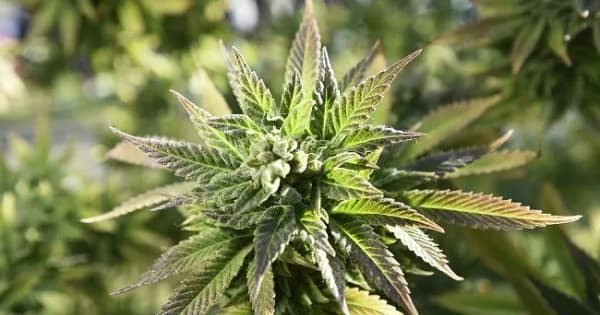
Is Recreational Marijuana Legal?
Tennessee has not legalised recreational marijuana for adults. Unlike states that allow people aged 21 or older to buy cannabis from licensed dispensaries, Tennessee does not permit ordinary adult-use marijuana sales.
A person cannot legally possess marijuana simply because they are over 21. There is no legal personal-possession limit comparable to those in recreational states.
Marijuana purchased legally in another state also becomes illegal once it is brought into Tennessee. The laws of the state where the purchase occurred do not protect the owner after entering Tennessee.
What Is the Penalty for Marijuana Possession?
Knowingly possessing marijuana for personal use is generally prosecuted as simple possession, a Class A misdemeanor.
A Class A misdemeanor can carry up to 11 months and 29 days in jail, a fine of up to $2,500, or both. The actual sentence depends on the circumstances, criminal history, local prosecution practices and the court’s decision.
A person may also be ordered to attend a drug-offender programme or complete community service. Court costs and consequences involving employment, probation or professional licences may apply even when the person does not receive a long jail sentence.
Casually giving away no more than half an ounce of marijuana can also be treated as a Class A misdemeanor. However, selling marijuana, delivering it for payment or possessing it with the intention of selling or distributing it can lead to felony charges.
Is Medical Marijuana Legal?
Tennessee does not currently have a broad medical-marijuana programme with patient cards, cultivation facilities and dispensaries.
The Tennessee Medical Cannabis Commission studies cannabis laws and prepares recommendations, but the law creating the commission did not itself authorise a functioning medical cannabis market.
A narrow exception exists for certain low-THC cannabis oils. Qualifying patients or their immediate family members may possess cannabidiol oil containing less than 0.9% THC when detailed legal and medical-documentation requirements are satisfied.
This limited exception does not generally authorise marijuana flower, high-THC edibles, concentrates, vaping products or home cultivation. A medical-marijuana card from another state also does not normally allow someone to possess regular marijuana in Tennessee.
Why Do Some Tennessee Shops Sell THC Products?
Products sold in Tennessee hemp shops are legally classified as hemp-derived cannabinoid products rather than marijuana.
Under the rules effective in 2026, a compliant hemp product may contain no more than 0.3% total THC on a dry-weight basis. Total THC includes both delta-9 THC and the amount of THC that can be produced from THCA.
Products exceeding the legal total-THC limit are considered illegal. Tennessee also prohibits certain substances, including THCp and synthetic cannabinoids, in regulated hemp products.
Legal hemp-derived products must be sold through properly licensed businesses and satisfy testing, packaging and labelling requirements. Buyers must generally be at least 21.
Seeing a cannabis-like product in a licensed Tennessee shop therefore does not mean recreational marijuana has been legalised. It means the product falls within the state’s separate hemp framework.
Is THCA Flower Legal?
Tennessee’s updated total-THC calculation has sharply limited THCA products. THCA changes into intoxicating THC when heated or smoked.
The state now calculates total THC using both existing delta-9 THC and the potential THC produced from THCA. As a result, much of the high-THCA flower previously sold as legal hemp may exceed the 0.3% total-THC limit and cannot lawfully be sold as a compliant hemp product.
Consumers should not assume that a package marked “hemp,” “THCA” or “legal THC” automatically complies with Tennessee law.
Can You Grow Weed at Home?
No. Tennessee does not permit recreational home cultivation. Growing marijuana for personal use can be prosecuted as manufacturing a controlled substance.
The penalties may become more severe when multiple plants, distribution evidence, weapons or other aggravating circumstances are involved. A medical condition does not create a general right to grow marijuana at home.
Is Driving After Using Weed Illegal?
Yes. Tennessee prohibits driving or being in physical control of a vehicle while impaired by marijuana or another intoxicating substance.
This rule also applies when the substance consumed was a legally sold hemp-derived product. A product’s legal status does not provide a defence when it impairs the driver’s ability to operate a vehicle safely.
Tennessee does not rely on the same 0.08 measurement used for alcohol when determining marijuana impairment. Police may consider driving behaviour, physical observations, statements, field tests and chemical-test results.
Can Weed Be Used on Private Property?
Private property does not make illegal marijuana possession lawful. A homeowner may control smoking rules on the property, but cannot authorise conduct prohibited by state law.
Employers, landlords and businesses may also prohibit legal hemp products, smoking or impairment on their premises. Employees can face workplace consequences even when using a legally purchased product away from work.
The Current Legal Position
Recreational weed remains illegal in Tennessee. Simple possession can result in a Class A misdemeanor, while selling, cultivating or possessing marijuana with intent to distribute may lead to felony prosecution.
Tennessee allows only narrow medical exceptions and does not operate a general medical-marijuana dispensary system. Certain regulated hemp-derived products remain legal, but they must stay within the 0.3% total-THC limit and comply with the state’s licensing and product rules.