
Yes. Same-sex marriage, sometimes referred to as gay marriage, is legal in Ohio in 2026. Same-sex couples may obtain marriage licenses in Ohio and their marriages are legally recognized on the same basic terms as marriages between opposite-sex couples.
Same-sex marriage became legal throughout the United States following the U.S. Supreme Court’s June 26, 2015 decision in Obergefell v. Hodges—a case that directly involved Ohio. The Court held that the Fourteenth Amendment requires states to license marriages between two people of the same sex and recognize lawful same-sex marriages performed elsewhere. The Supreme Court of Ohio’s current domestic-relations guidance confirms that same-sex marriage is valid in all states under Obergefell.
An unusual feature of Ohio law, however, is that older language banning same-sex marriage still remains written into the Ohio Revised Code and state constitution. Those provisions cannot presently be enforced because they conflict with controlling federal law.
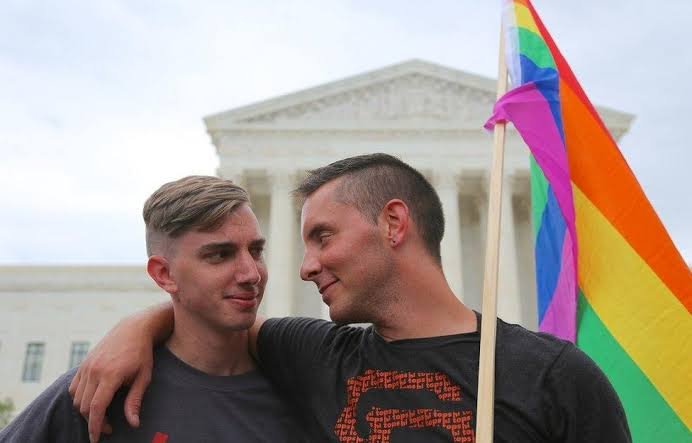
When Did Same-Sex Marriage Become Legal in Ohio?
Same-sex marriage became legal in Ohio on June 26, 2015, when the U.S. Supreme Court decided Obergefell v. Hodges.
Before that ruling, Ohio did not permit same-sex marriages and refused to recognize many such marriages performed in other states.
The Supreme Court considered two central questions:
- Whether states must allow two people of the same sex to marry
- Whether states must recognize a lawful same-sex marriage performed in another state
The Court ruled that the Fourteenth Amendment requires both licensing and recognition. The decision applied nationwide, including in Ohio.
Why Does Ohio Law Still Say Marriage Is Between a Man and a Woman?
This is one of the most confusing parts of Ohio marriage law.
Ohio Revised Code Section 3101.01 still contains language stating that marriage may be entered into only by one man and one woman. It also says that same-sex marriages have no legal force or effect in Ohio.
The Ohio Constitution likewise still contains Article XV, Section 11, adopted in 2004, stating that only a union between one man and one woman may constitute a marriage recognized by the state.
However, these provisions were rendered unenforceable by the U.S. Supreme Court’s decision in Obergefell.
This means someone reading only the text of the Ohio Revised Code could receive a misleading impression. In actual current law, same-sex couples can legally marry in Ohio.
The Supreme Court of Ohio itself notes this distinction in its domestic-relations guidance: Section 3101.01 continues to contain opposite-sex-only language, while same-sex marriages remain valid under Obergefell.
Can a Same-Sex Couple Get a Marriage License in Ohio?
Yes.
Same-sex couples follow Ohio’s normal marriage-license process.
Under Ohio Revised Code Section 3101.05, people seeking a marriage license generally apply through the probate court in the county where either person resides. If neither person is an Ohio resident, they apply in the county where the marriage will take place.
Applicants generally need to provide information such as:
- Name
- Age
- Residence
- Place of birth
- Identification showing date of birth
- Information about previous marriages, when applicable
- Information concerning the person expected to solemnize the marriage
The probate judge issues the license when the statutory requirements are satisfied and there is no legal impediment to the marriage.
How Old Do You Have to Be to Get Married in Ohio?
The normal minimum marriage age in Ohio is 18.
Ohio does permit marriage at age 17 in limited circumstances, but additional requirements apply, including juvenile-court consent.
The same age requirements apply regardless of whether the couple is same-sex or opposite-sex. The Supreme Court of Ohio’s current domestic-relations guidance identifies 18 as the general age of capacity to marry and explains the special procedure for people who are 17.
Does Ohio Recognize Same-Sex Marriages From Other States?
Yes.
Ohio must recognize a same-sex marriage that was lawfully entered into in another state.
That requirement originally followed from Obergefell. There is now also an important federal statutory protection under the Respect for Marriage Act, which became federal law on December 13, 2022.
The Act generally prevents a person acting under state law from denying recognition to a marriage from another state because of the spouses’ sex, race, ethnicity or national origin. It also establishes federal recognition of marriages that were valid where they were entered into.
Therefore, a legally married same-sex couple moving to Ohio does not have to marry again simply to have the marriage recognized.
Do Married Same-Sex Couples Have the Same Legal Marriage Status?
Generally, yes.
Once legally married, a same-sex couple is treated as married for state and federal legal purposes rather than being placed into a separate category of marriage.
Marriage status can affect areas such as:
- Divorce and dissolution
- Property rights
- Spousal benefits
- Inheritance
- Tax treatment
- Certain parental rights
- Medical and estate-planning matters
- Federal benefits
The precise rights involved can depend on the particular statute or individual circumstances, but Ohio cannot create an inferior form of civil marriage simply because the spouses are of the same sex.
The Respect for Marriage Act also requires qualifying marriages to be recognized for federal-law purposes.
Can Same-Sex Couples Get Divorced in Ohio?
Yes.
Because same-sex marriages are legally valid, married same-sex couples can use Ohio’s normal divorce and dissolution procedures.
The Supreme Court of Ohio’s domestic-relations guidance expressly recognizes same-sex marriage as valid under Obergefell and includes it within Ohio’s broader marriage and domestic-relations framework.
The particular requirements for filing a divorce—including residency, property division, support and matters involving children—depend on the circumstances of the case rather than the spouses’ sexes.
Can a Church Be Forced to Perform a Same-Sex Wedding?
Federal recognition of same-sex marriage does not mean every religious organization must participate in a wedding ceremony.
The Respect for Marriage Act expressly protects existing religious-liberty and conscience protections. It states that specified nonprofit religious organizations are not required to provide services, facilities or goods for the solemnization or celebration of a marriage.
Ohio law separately identifies ministers, judges, mayors and certain other authorized persons who may solemnize marriages.
The legal duties of government officials should not be confused with the religious-liberty protections applicable to churches and qualifying religious organizations.
Could Same-Sex Marriage Become Illegal Again in Ohio?
As of August 22, 2026, same-sex marriage remains legal in Ohio, and Obergefell v. Hodges remains controlling Supreme Court precedent.
A notable challenge occurred when former Kentucky clerk Kim Davis asked the U.S. Supreme Court to revisit Obergefell. The Supreme Court denied her petition on November 10, 2025, leaving the 2015 ruling in place.
There is also an additional layer of protection under the Respect for Marriage Act. Even in a hypothetical future situation where Obergefell were overturned, the federal statute requires states to recognize qualifying same-sex marriages lawfully performed in another state. However, the Act itself is not the same as Obergefell and does not independently require every state to issue same-sex marriage licenses if the constitutional rule were ever changed.
That distinction is important because Ohio’s older statutory and constitutional bans have never been formally removed.
Final Word
Gay marriage is legal in Ohio in 2026. Same-sex couples can obtain marriage licenses, marry in Ohio and have legally valid marriages recognized by the state.
Although Ohio’s constitution and Revised Code still contain old language defining marriage as between a man and a woman, those provisions are currently unenforceable because of the U.S. Supreme Court’s Obergefell v. Hodges decision.
The federal Respect for Marriage Act provides additional protection for recognition of valid same-sex marriages. For Ohio couples today, same-sex marriage carries legal marital status rather than a separate or lesser form of marriage.