
A long-running dispute over an Alaska bush pilot’s aeroplane is heading to the US Supreme Court. Kenneth Jouppi is challenging the state’s attempt to take his 1969 Cessna U206D after he was convicted of transporting alcohol intended for Beaver, a community where alcohol imports were prohibited.
The plane was valued at about $95,000. Jouppi argues that forfeiting it for a first-time misdemeanour would violate the Eighth Amendment’s ban on excessive fines. Alaska says illegal alcohol transportation causes serious harm in remote communities and that forfeiture is a lawful deterrent.
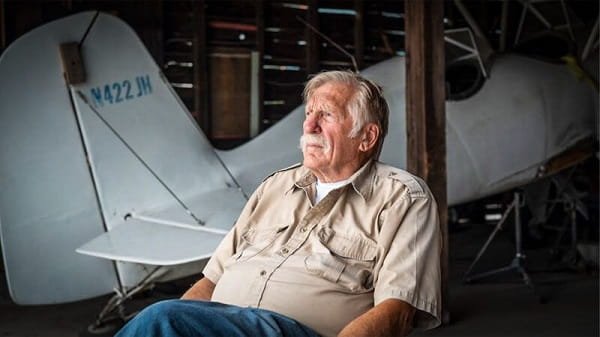
What Happened Before the Flight?
The case began in April 2012. Jouppi, who operated a small air-taxi business called KenAir, was preparing to fly a passenger from Fairbanks to Beaver. The passenger had packed beer among groceries.
Before departure, Alaska state troopers searched the aircraft and found the alcohol. Jouppi said he did not know beer was in the luggage. Troopers maintained that at least one six-pack of Budweiser was visible in a shopping bag.
The passenger pleaded guilty. Jouppi and KenAir went to trial and were convicted of knowingly transporting alcohol into a dry community. Jouppi received three days in jail, a $1,500 unsuspended fine and probation.
Although headlines describe a plane being taken over one six-pack, the passenger had packed more beer. Jouppi’s lawyers stress that the verdict did not determine how much alcohol he personally knew was aboard.
Why Alaska Wants the Plane Forfeited
Alaska law made an aircraft used to transport or facilitate prohibited alcohol subject to forfeiture. This is a criminal forfeiture case following a conviction, not a separate civil seizure proceeding. The state therefore sought Jouppi’s Cessna.
The plane never took off with the beer because troopers found it in Fairbanks. An appellate court concluded that the law covered the aircraft because it facilitated the planned transportation.
The dispute then shifted from whether state law authorised forfeiture to whether taking the plane would be constitutionally excessive.
What Jouppi Is Arguing
Jouppi’s lawyers say courts must examine his actual conduct rather than judging the case mainly by the wider problems associated with illegal alcohol imports.
They emphasise that he was a first-time offender, the beer belonged to a customer, the flight did not leave Fairbanks and the conviction was a misdemeanour. They argue that taking a $95,000 working aircraft, on top of jail time and a fine, would be grossly disproportionate.
How Alaska Defends the Forfeiture
State lawyers argue that alcohol abuse has caused severe damage in rural Alaska, including crime, illness, injury and public costs. Aircraft are often the only practical way to reach isolated communities, making planes important tools in unlawful alcohol transportation.
Alaska also says courts already use several factors to decide whether forfeiture is excessive. In the state’s view, Jouppi is disputing how those factors were weighed, not identifying a new constitutional rule.
What the Alaska Supreme Court Decided
On April 18, 2025, the Alaska Supreme Court unanimously upheld the forfeiture. It concluded that taking the plane was not grossly disproportionate to the gravity of the offence.
The court placed substantial weight on the broader damage caused by illegal alcohol imports. It reasoned that lawmakers could treat the knowing importation of even a six-pack into a dry community as serious enough to justify aircraft forfeiture.
Jouppi argues that this approach judged the offence too abstractly and did not give enough weight to his personal culpability.
Why the US Supreme Court Took the Case
Jouppi asked the US Supreme Court to review the ruling. On July 20, 2026, the justices agreed to hear Jouppi v. Alaska, docket number 25-246.
Granting review does not mean the justices have decided in Jouppi’s favour. It only means they will examine the constitutional issue during the court’s 2026–27 term.
The decision could clarify how excessive forfeitures must be measured nationwide. It may determine whether courts should focus on an individual’s conduct or may rely heavily on the general harm associated with the offence.
For now, the dispute remains unresolved. The central question is whether forfeiting a valuable working aircraft is a lawful consequence of Jouppi’s conviction or an excessive punishment prohibited by the Constitution.