
Johnson & Johnson has proposed a $5.5 billion settlement that could resolve approximately 76,000 lawsuits alleging that its talc-based products caused ovarian cancer. Announced on July 27, 2026, the agreement could bring an end to one of the longest-running and most closely watched product-liability disputes in the United States.
The proposed deal was reached with law firms leading the federal multidistrict litigation and related cases pending in state courts. However, it is not yet final. At least 95% of the remaining eligible claimants must participate before the settlement can move forward.
Johnson & Johnson continues to deny the allegations and maintains that its cosmetic talc products were safe, did not contain asbestos and did not cause cancer. The company says it agreed to settle to avoid further years of costly litigation rather than because it accepted legal responsibility.
What the Talc Lawsuits Allege
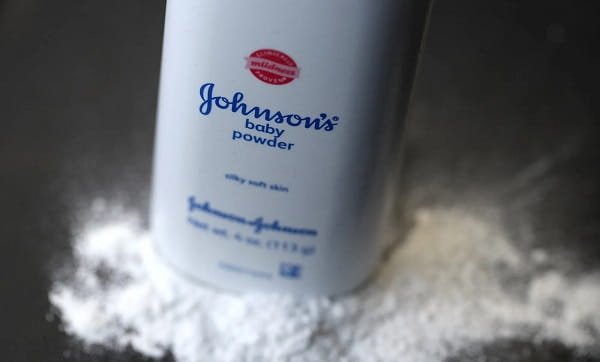
For more than a decade, thousands of consumers have filed lawsuits involving Johnson’s Baby Powder and other talc-based products. Many claimants allege that regular use of the products exposed them to harmful substances and contributed to the development of ovarian cancer.
Other lawsuits have alleged that asbestos contamination in talc products caused mesothelioma, a rare cancer associated with asbestos exposure. Johnson & Johnson has disputed these claims and has repeatedly argued that scientific studies support the safety of cosmetic talc.
The company stopped selling talc-based baby powder in the United States and Canada in 2020. It later discontinued the product globally in 2023 and moved to a cornstarch-based version.
Details of the $5.5 Billion Settlement
Under the proposed agreement, Johnson & Johnson has committed $5.5 billion to compensate qualifying ovarian cancer claimants. The company expects to make an initial payment of no more than $3 billion in 2027. No additional payments would become due before 2028.
The exact amount received by each claimant would depend on factors established under the settlement programme. These may include the claimant’s diagnosis, medical history and other case-specific circumstances.
Lawyers involved in the negotiations have indicated that the company’s eventual total payments could exceed $5.5 billion, depending on participation and the value assigned to qualifying claims. The settlement does not place a fixed cap on the total amount that may ultimately be distributed.
Importantly, the proposed agreement applies mainly to existing ovarian cancer claims. It does not provide a broad resolution for people who may bring new claims in the future.
Previous Bankruptcy Plans Were Rejected
Before reaching the new agreement, Johnson & Johnson attempted to resolve the talc litigation through bankruptcy proceedings involving specially created subsidiaries. This approach was sometimes described as the “Texas two-step.”
The company transferred its talc-related liabilities to a subsidiary, which then sought Chapter 11 bankruptcy protection. Johnson & Johnson argued that bankruptcy would create a fair and efficient system for compensating claimants.
Plaintiffs and some legal experts challenged the strategy, arguing that a financially strong company should not use bankruptcy protection to control mass-tort liabilities. The bankruptcy attempts were ultimately dismissed or rejected by courts.
After the latest bankruptcy proposal failed in 2025, the lawsuits returned to the traditional civil court system.
Recent Court Ruling Affected the Cases
The settlement followed an important development in the federal multidistrict litigation. In July 2026, the court questioned whether the remaining plaintiffs could present sufficient evidence proving that Johnson & Johnson’s talc products caused ovarian cancer in each individual case.
The court directed plaintiffs to explain why their claims should not be dismissed because of problems involving specific causation evidence. This placed additional pressure on claimants and their lawyers as trials approached.
Johnson & Johnson said the ruling strengthened its position and that it expected to prevail in further litigation. Plaintiffs’ lawyers nevertheless described the settlement as a meaningful resolution for people who had pursued compensation for many years.
Other Talc Claims Have Already Been Settled
According to Johnson & Johnson, it has already resolved approximately 95% of the filed mesothelioma lawsuits connected with its talc products. The company has also reached settlements involving state consumer-protection claims and disputes with talc suppliers.
The remaining ovarian cancer cases represented the largest unresolved part of the litigation. Resolving them would therefore remove much of the uncertainty that has surrounded the company for years.
What Happens Next?
The agreement will move forward only if the required participation level is reached and its remaining conditions are satisfied. Claimants and their lawyers must review the payment terms before deciding whether to join.
Those who accept the settlement would generally give up their right to continue pursuing the covered claims in court. Claimants who do not participate may attempt to continue their individual lawsuits, although recent rulings concerning causation evidence could affect those cases.
The Johnson and Johnson lawsuit settlement is not an admission that the company’s products caused cancer. It is a negotiated proposal intended to resolve most existing ovarian talc claims. Until the participation requirement is met and the agreement is completed, the litigation remains legally unresolved.